How New Zealand’s Online Casinos Adapted After PayPal
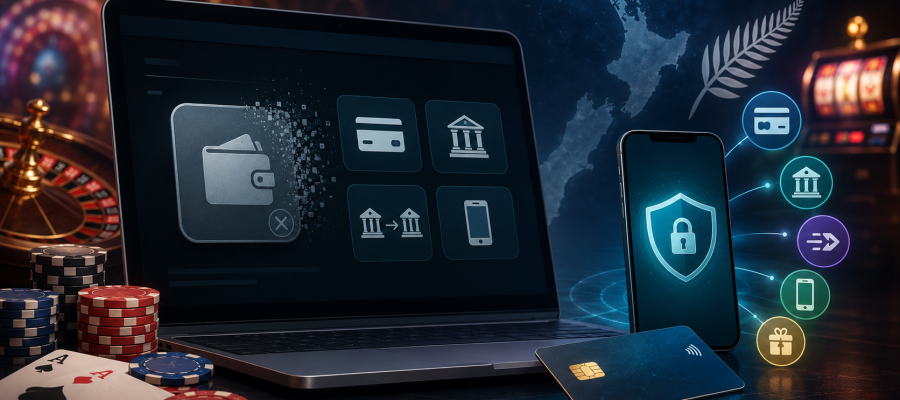
PayPal didn’t make a dramatic exit from New Zealand’s casinos. Most players simply realised it was gone one day when they wanted to make a deposit and thought, ‘What now?’ With no major announcement or dramatic industry changes, players had to get used to it no longer being a familiar payment method.
Because PayPal occupied such a unique position in the online casino ecosystem, the change was more noticeable than people expected. For many years, it acted as a middleman between operators and players. Users could top up their accounts without needing to expose their banking details directly to a gambling site, and many people were already familiar with it for subscriptions, shopping and other online transactions. That familiarity and existing trust were huge parts of its appeal, as there was an existing comfort level and degree of separation between their finances and the casino. Few other methods offered that same peace of mind.
Once PayPal became unavailable, players started wondering which alternatives they could trust and what would give them the most bang for their buck. It meant players had to become more payment-literate because they couldn’t default to a brand they already trusted.
Why PayPal Was the Default Choice for Many Players
When people can look at a logo or brand name and feel a sense of ease, it’s more than likely they’ll choose it for products and services over anything else. Given that online casinos are still viewed with caution, a familiar payment brand like PayPal offers reassurance around what players are typically most nervous about: how their money is handled. Unfortunately, since casino operators serving New Zealand players don’t fall within PayPal’s approved gambling framework, they ultimately couldn’t offer it.
PayPal didn’t become such a popular casino payment method because it was the fastest, cheapest or even the most convenient option available. The trust it has earned over decades online gave it credibility long before it showed up in iGaming. By the time it did appear on casino sites, most people were already familiar with it. Rather than having to evaluate and vet an unfamiliar payment processor, players could rely on a company they already knew.
PayPal’s ability to create separation and enhance security is also a huge bonus. As there’s no need to provide banking or other overly personal details directly to the operator, players felt more confident making deposits. The broader reputation PayPal built around consumer protection, despite buyer protection not applying to gambling transactions, helps influence player perception.
The Alternatives That Emerged After PayPal’s Exit
PayPal’s departure didn’t mean players were forced to abandon top online casinos entirely. However, it forced enthusiasts to look at alternatives they might not have paid much mind to before. E-wallets like Neteller and Skrill suddenly had an influx of attention, and people noticed that they offered many of the same benefits PayPal did.
Other options became popular for different reasons. POLi gained a stronger foothold among New Zealanders and Australians as it allowed direct bank transfers without requiring card details. At the same time, cryptocurrencies grew in popularity as some operators thought of them as a faster and more private way to move money. There was also a subset of players that simply went back to Visa and Mastercard, accepting the trade-off of dealing directly with their bank in exchange for convenience and familiarity.
That’s not to say the transition was without its hitches. No single payment method managed to replicate absolutely everything PayPal offered—either tangibly or intangibly. Some alternatives were widely accepted across casino sites but didn’t have the same level of consumer recognition. Others appealed to experienced gamblers but felt intimidating to new players. Although the payment landscape became much less cohesive, it was certainly more informed.
While the conversations around payment methods are still happening, the current guidance around secure casino payment methods is far more detailed and criteria-driven than it was when PayPal was still around. As players were stripped of their tried-and-true option, they gained the drive and means to compare factors like fees, security, withdrawal speeds and reputation.
How Players Learned to Judge Payment Safety

Ever since PayPal forced players to discover alternatives, they have had to figure out how to judge payment infrastructure. PayPal did a great job of handling much of the trust-building on behalf of players in the past, so they never had to look too closely at the underlying system.
When a payment method becomes widely trusted, people tend to stop asking how it works. It’s the same concept that applies across most industries. But behind every payment provider is a collection of safeguards, like SSL encryption, fraud monitoring systems, account verification procedures and dispute resolution mechanisms that form the foundation of trust. These features determine whether a payment method is trustworthy, even if they aren’t visible to the average user.
Open banking regulation, for example, brought concepts such as authentication and transfer security into mainstream banking conversations. Chip-and-PIN cards made consumers more aware of payment security by introducing a prominent layer of protection at checkout. Both are prime examples of how engaging with infrastructure directly allowed people to become more aware of it.
Payment Habit Changes for New Zealand Players
The average Kiwi player is now far more informed about payment methods than they once were. Although not everyone will research every transaction in detail, a large proportion of online gamblers will compare, discuss and scrutinise their options before accepting one by default.
In the past, deposit convenience was often enough to win players over. Today, they want to know exactly how withdrawals are handled, if there’s separation between their bank account and the casino, and if the provider operates under regulatory frameworks. Even if the casino boasts a large game library or flashy promotions, the payment section has become so important that it’s often the deciding factor.
The modern online casino player base is increasingly payment-aware, with trust less likely to be granted automatically and providers judged on a wider range of criteria. While that doesn’t guarantee better decisions, it means they’re more likely to spot anything questionable.
Where Online Casino Payments Could Go from Here

New Zealand’s casino payment environment is dynamic and has matured considerably following PayPal’s exit from the scene. There’s evidence of a broader trend toward greater choice and faster transactions, as well as more transparency around how money moves between players and operators.
Bank-to-bank payment technology is turning into something more sophisticated, with open banking integrations helping to reduce friction. Players can get access to faster transfers without sacrificing the security standards they expect. These integrations include Pay-by-Bank, bank-based authentication and card-free transactions that can potentially offer some of the qualities players liked about PayPal, including strong bank-level authentication and fewer intermediaries. E-wallets may continue to get more sophisticated, increasingly tailoring their services around high-frequency digital transactions.
Regulation will also affect payments. Governments and financial institutions may introduce new oversight measures, and operators will have to heed requirements around security, verification and consumer protection. No matter where those changes come from, they’re likely to influence what’s available to players.
What This Transition Says About the Industry
Kiwi players who discovered that PayPal was no longer a deposit option were probably disappointed, but they also probably didn’t think they were witnessing something that created a domino effect in the iGaming industry. In response, they ended up adapting in much the same way as everyone else. They started learning which providers were reputable and which security features mattered. While those changes weren’t initially welcome, players got a clearer picture of how funds move between players, payment providers and operators.
While New Zealand’s online casino payment environment might now appear more complex, it’s also more transparent, choice-driven and better documented—a trade many people would consider esy to justify.